Demolition Work
What is Demolition Work?
Demolition work means work to demolish or dismantle a structure, or part of a structure. This includes:
- Complete building demolition
- Partial demolition/strip-out
- Structural alterations
- Dismantling plant or structures
When Demolition is High-Risk Construction Work
Demolition work is High-Risk Construction Work (HRCW) requiring a Safe Work Method Statement if it involves the demolition of an element of a structure that is load-bearing or otherwise related to the physical integrity of the structure.
Major Hazards
Structural Collapse:
- Uncontrolled or premature collapse
- Workers trapped/crushed
Asbestos:
- Most buildings pre-2004 contain asbestos
- Disturbing asbestos releases deadly fibers
Falls from Height:
- Working on structures being demolished
- Floor/roof collapse
Underground Services:
- Striking gas, electricity, water during demolition
Falling Objects/Materials:
- Materials falling on workers or public below
- Debris ejected during demolition
Hazardous Substances:
- Lead paint, chemical residues
- Dust (silica, general)
Plant and Equipment:
- Excavators with hammers/shears
- Elevated work platforms
- Cranes
Before Demolition - Mandatory Requirements
1. Asbestos Assessment (WHS Reg 443)
Failure to identify asbestos before demolition is prohibited and extremely dangerous.
Requirements:
- Obtain or prepare asbestos register for structure
- If no register, presume asbestos present OR arrange inspection/sampling
- If asbestos identified, arrange licensed removal BEFORE demolition
- Provide asbestos information to all workers
See Asbestos for detailed guidance.
2. Structural Engineering Report
Required for:
- If as-built design documentation is not available
- If structure has been damaged or weakened (e.g. by fire)
- If plant is to be used on suspended floors
- Complex structures
- Where demolition method may affect stability
Report Must Cover:
- Structural details and construction method
- Sequence of demolition
- Special precautions required
- Method of preventing premature collapse
3. Service Disconnection
Before Demolition:
- Disconnect or isolate all services:
- Electricity (confirm de-energized)
- Gas (confirmed isolated by supplier)
- Water
- Telecommunications
- Sewerage
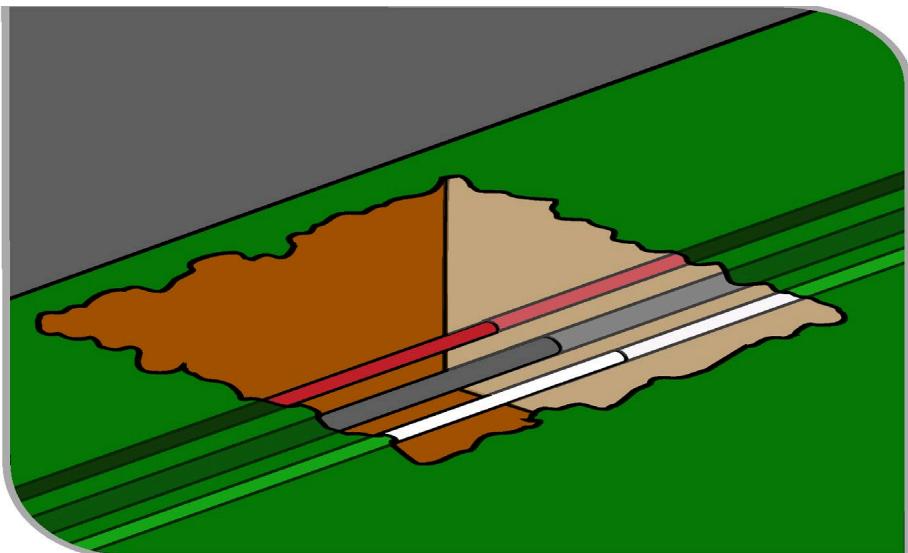
Underground Services:
- Locate using Dial Before You Dig
- Protect or remove before demolition
4. Demolition Plan
Plan Must Address:
- Sequence of demolition (what comes down first, last)
- Method (manual, mechanical, explosives)
- Structural stability during demolition
- Control of dust, noise, vibration
- Waste management
- Traffic management
- Protection of public and adjacent properties
- Emergency procedures
Methods of Demolition
Manual (Hand) Demolition
Process:
- Top-down, piece-by-piece removal
- Hand tools, small power tools
When Used:
- Small structures
- Where mechanical methods not suitable
- Hazardous materials present (asbestos)
- Adjacent structures must be protected
Hazards:
- Falls from height
- Manual handling
- Dust exposure
Mechanical Demolition
Equipment:
- Excavators with:
- Hydraulic breakers
- Pulverizers
- Shears
- Wrecking balls (rare, high risk)
When Used:
- Large structures
- Faster than manual
Hazards:
- Structural collapse
- Plant rollover
- Falling materials
- Dust
Controls:
- Competent operator
- Safe operating distance
- Exclusion zones
- Water suppression for dust
Explosive Demolition
Highly Specialized:
- Licensed shot firers
- Detailed engineering design
- Large exclusion zones
- Emergency services notification
Rarely Used: Except major structures in open areas.
Sequence of Demolition
General Principle: Top Down
- Remove roof first
- Then top floors
- Work down to ground
- Basement last
Maintain Stability:
- Remove non-structural elements first (windows, doors, fittings)
- Leave structural supports until last
- May require temporary bracing
Exceptions:
- Mechanical demolition may work differently (push over intact)
- Requires engineering assessment
Control Measures
Structural Stability
- Follow engineering report
- Install temporary supports if required
- Monitor for unexpected movement/cracking
- Establish exclusion zones (minimum 2 times building height for wire rope pulling/induced collapse)
Falls Prevention
- Edge protection on floors being demolished
- Safety mesh under fragile materials
- Scaffolding where needed
- Fall arrest systems (if edge protection not practicable)
See Falls.
Falling Objects
- Barricades and exclusion zones
- Chutes for dropping materials (enclosed)
- Screens on scaffolding
- Warning signs
- Hard hat areas
Never Drop Materials: Use controlled lowering or enclosed chutes.
Dust Control
- Water suppression (continuous wetting)
- Avoid dry sweeping or dry demolition
- Enclose work areas where practicable
- Respiratory protection for workers
See Silica Dust.
Public Protection
- Hoarding/fencing (minimum 1.8m high)
- Gantries/awnings over footpaths
- Traffic management
- Warning signs
- Security (prevent unauthorized entry)
Waste Management
Segregate Waste:
- Asbestos (special disposal)
- Recyclables (concrete, metal, timber)
- General waste
- Hazardous waste (lead paint, chemicals)
Asbestos Waste: See Asbestos - requires licensed disposal.
Dust and Debris:
- Prevent dust leaving site (water, barriers)
- Clean roads daily
- Cover trucks transporting waste
Practical Example
Scenario: Demolishing 2-storey brick house (built 1970s)
Pre-Demolition
1. Asbestos Assessment:
- Building inspection conducted
- Asbestos identified: roof (fibro cement), eaves, internal walls
- Licensed asbestos removalist engaged
- Asbestos removed (clearance certificate obtained)
- Register updated
2. Services:
- Electricity disconnected (verified)
- Gas isolated by supplier
- Water capped
- Underground services located
3. Demolition Plan:
- Method: Mechanical (excavator with pulverizer)
- Sequence: Roof, walls, slab, footings
- Dust control: Water sprays
- Exclusion zone: 10m from structure
- Public protection: 1.8m hoarding erected
During Demolition
Controls:
- SWMS reviewed with workers
- Licensed excavator operator
- Water tanker continuously wetting debris
- Exclusion zone barricaded
- Spotter monitoring for hazards
- Hard hats, respirators (P2), hi-vis, boots
- Waste segregated (brick to recycling, timber to bin)
Sequence:
- Non-structural: windows, doors, fixtures removed (manual)
- Roof sheeting and framing pulled down (excavator)
- Walls demolished section by section
- Slab broken up
- Footings removed
- Site leveled and cleaned
Result
Demolition completed in 3 days, no injuries, asbestos safely removed beforehand, dust controlled, waste recycled.